

Opportunities to Assess
- Canopy solar in parking lots
- Rooftop solar
- Floating solar on stormwater retention ponds, reservoirs, or other non-natural bodies of water
- Large ground-mounted solar arrays in unused open space
We use first- and third-party cookies and similar technologies for enhancing your experience, personalization, analytics, advertising, and improving our site. By using this website, you consent to our use of cookies. You can learn more about how we collect and use information by reviewing our Internet Privacy Policy.
Renewable energy—particularly renewable electricity—is key to eliminating greenhouse gas emissions. Decarbonizing your campus will most likely involve investing in renewable electricity to provide clean power for your electrified systems, particularly if your utility does not offer 100% renewably sourced electricity.
On-site strategies involve installing renewable energy generation systems such as solar photovoltaic (PV) panels and/or wind turbines on campus buildings or grounds. Hydroelectric power is also an option for some campuses, such as Cornell University  ,which sources electricity from two hydroplant units based on its proximity to Beebe Lake.
Off-site strategies involve sourcing renewable power through utilities or third-party providers. Many renewable energy purchases by academic institutions are from offsite wind farms, solar, and hydroelectric dams.
Whether considering on-site or off-site renewable energy, there are site-specific factors, long-term sustainability implications, and integration with additional strategies to keep in mind.
A building- or campus-level energy audit may be a first step in determining energy demand. Energy audits provide systematic analysis of a building’s energy consumption patterns. Oftentimes an energy audit will include recommendations to implement energy-conservation measures such as improvements to building envelopes, lighting and plug loads, and HVAC systems, which help to right-size energy supply.
Once you have maximized energy efficiency on your campus, you can begin to assess the quantity of electricity you will need to power your operations. A comprehensive energy audit at the building or campus level will help you identify areas with the highest energy consumption that could benefit from adjacent on-site renewable energy solutions. This, coupled with identifying sites that have the greatest potential to host energy generation (e.g., solar arrays, wind turbines), can help you maximize energy output and minimize transmission losses.
On-site renewable energy systems have various benefits, such as cost savings, resilience to grid disruptions, and increased energy independence. Not every campus is suitable to host renewable energy, however—you may need to perform a feasibility study.
Opportunities to Assess
Elements to Consider
How To Evaluate Potential Sites
Most renewable energy systems are intermittent, meaning they’re dependent on the availability of sunlight or wind to provide energy. Because of this, it’s helpful to store excess energy for later use when on-site production drops or grid energy is more expensive.
If it’s possible for your campus to host an energy storage solution coupled with on-site renewable energy, you can integrate your generation and storage system with your energy management system for monitoring, maintenance, and management.
Perform a life-cycle cost analysis of the proposed system to quantify the total cost. If you’re assessing solar potential, tools can help estimate energy production system size and basic financial metrics. This analysis should consider potential net metering benefits, seasonal energy production variances, energy storage benefits, green power purchasing, and available incentives or rebates.
If on-site renewable energy is not a feasible option, your campus may want to invest in off-site renewable energy, which can count toward emissions reduction.
Power purchase agreement (PPA) are an option for your campus to source renewable energy directly. A PPA is a long-term contract between a power producer (seller) and a customer (buyer) for the purchase and sale of electricity, often at a pre-agreed price and for a specified duration.
Renewable energy certificates (RECs) are market-based instruments that represent the environmental benefits of renewable energy generation. RECs are a tradable, market-based instrument representing the environmental benefits of one megawatt-hour (MWh) of renewable electricity generation. Buying RECs directly supports the development of renewable energy and allows institutions to claim a reduction in Scope 2 emissions.
New York Power Authority (NYPA) provides competitively priced hydroelectric power and supports renewable energy procurement for public entities. For more information, refer to the Engage Your Utility page.
Some of the most common renewable energy options are as follows:

is one of the most versatile renewable energy options, and is effective throughout the year, though the energy output decreases in winter due to shorter days and snow cover. Common installations include rooftop arrays, ground-mounted systems, and solar canopies in parking lots. To evaluate solar potential, conduct a detailed shading analysis, considering the campus’ physical layout, heights, and foliage, and evaluate the structural integrity of roofs for additional weight and wind loads.

is an option when water sources such as rivers and streams are located nearby. Because fluctuating water availability can impact energy production, this system must be paired with other renewables or backup power.
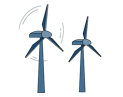
works best in locations with consistent wind patterns. Small to medium-scale wind turbines, typically installed on rooftops or open fields, can generate substantial power..

utilize organic waste, such as food scraps and sewer sludge, to produce methane through anaerobic digestion. This methane can be used to generate electricity and heat and may be well-suited for campuses with substantial food waste or wastewater treatment facilities.
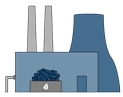
convert organic materials, such as wood chips and agricultural residues, into energy through combustion or gasification. This could be viable for campuses with access to wood products or agricultural waste. While biomass systems are an alternative to burning fossil fuels, associated carcinogens from burning organic matter make this option less than clean.
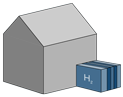
generate electricity through an electrochemical reaction, typically using hydrogen. They produce electricity, water, and heat, with the only emission being water vapor.
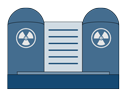
or small modular reactors, are a form of nuclear energy currently under development. They offer clean energy with reduced risks and a smaller environmental footprint when compared to traditional nuclear power plants.
Installing renewable energy systems requires thoughtful planning and a strong understanding of the available technologies. Following installation, ensure the systems operate efficiently and reliably through commissioning and testing. Perform the necessary tests and adjustments to optimize performance and ensure the systems continue to function efficiently and effectively over time.
By selecting a combination of systems and integrating them with energy storage, RECs, and PPAs as needed, a campus can create a diversified, decarbonized energy system.
Discover how to achieve large energy and carbon reductions across your campus.
Get In TouchLife-cycle cost analysis a method for evaluating the total cost of owning a facility or system over its entire lifespan, encompassing initial costs, operating costs, maintenance, repairs, replacements, and disposal.