

Reduce Load: Lighting & Plug Load Strategies
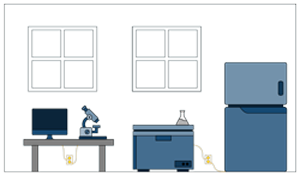
This graphic depicts typical devices and
equipment that increase a building's plug load.
Shown is a computer, microscope, freezer
and refrigerator. These are items typically
found in a lab classroom that increase
plug loads.
Lighting and plug loads can represent a significant portion of a building’s energy consumption. Plug loads are the energy consumed by devices—like computers, lab equipment, and refrigerators—that are connected to standard electrical outlets. In plug-load-driven buildings, these demands can represent a significant portion of the total energy use, comparable to the energy of lighting and HVAC systems.
Advanced lighting technologies, optimized controls, effective plug load management, and equipment selection can dramatically cut energy use and carbon emissions. These strategies work best when integrated into the overall building design or renovation.
Two Key Elements to Reduce Lighting and Plug Load Energy
Reducing energy use from lighting and plug loads involves two key aspects: reducing power draw and minimizing run time. To optimize your approach, create a full lighting simulation, which can model both daylighting and artificial light throughout the day, season, and year, and take into consideration the impact of interior surface colors and reflectivity.
Lighting
Lighting can reduce power draw and minimize run time by using more energy-efficient technologies like LEDs and task lighting, controlling when and how lights are used with smart systems or motion sensors, and maximizing the use of natural daylight.
Reduce power draw
- LED fixtures and lamps (bulbs) use less energy and last significantly longer than incandescent, fluorescent, halogen, or other low-efficiency lighting. The variety of LED bulbs available means you can choose options that meet the lighting needs of your space, with bulbs offered in different shapes, color indexes, and dimming controls. Dimming controls can allow for significant reductions in power draw during times when less lighting output is required.
- Targeted task lighting can reduce the amount of general lighting a space needs. Task lighting is best for workstations, kitchens, and reading areas. Be sure to balance task lighting with adequate ambient overhead lighting design.
Minimize run time
- Smart lighting controls can be programmed to turn lights on and off at set times. These controls also allow you to dim lights to the required level (as mentioned above) and even control them remotely.
- Occupancy sensors and lighting controls are helpful to turn off or dim lights when spaces are not in use. For special-use spaces such as conference rooms, ballrooms, or theaters, ensure the controls take into account the various combinations of space uses. For less commonly used spaces, a manual “on” switch with an “off” timer is sufficient.
- Harvest daylight when completing new construction or a major retrofit by allowing overhead lighting to adjust automatically based on natural light availability. Use passive daylighting techniques such as light shelves, reflective surfaces, and clerestory windows. Façade upgrades might include increased window sizing, optimizing glazing performance, and integrating architectural shading.
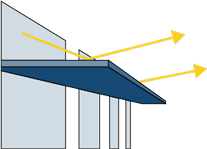
Light shelf
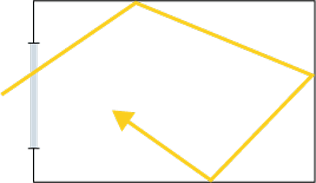
Reflective surfaces
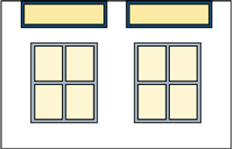
Clerestory windows
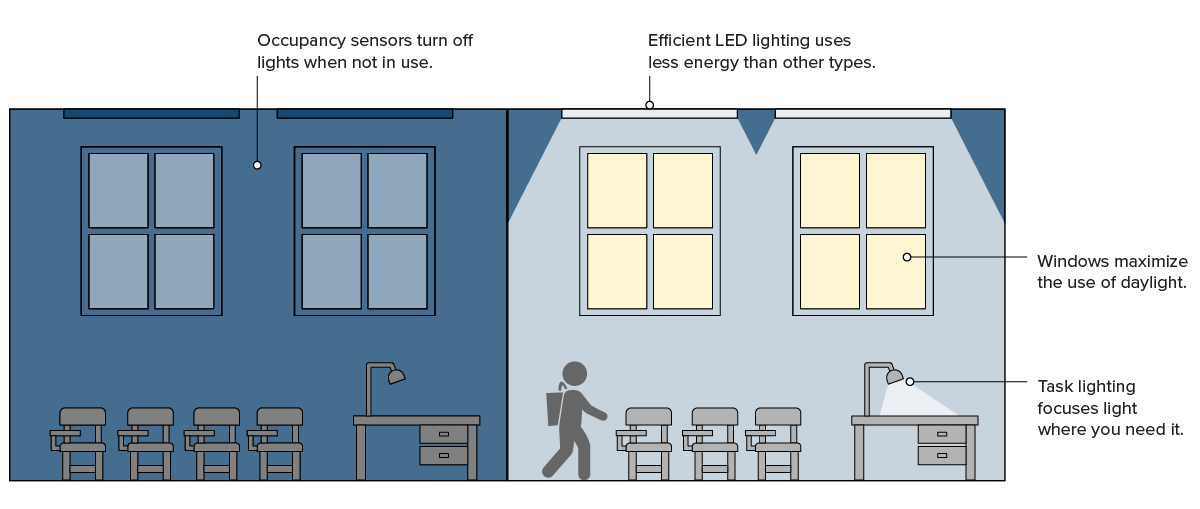
This illustration depicts strategies for lighting efficiency.
- Occupancy sensors turn off lights when not in use.
- Efficient LED lighting uses less energy than other types.
- Windows maximize the use of daylight.
- Task lighting focuses light where you need it.
Reduce Plug Load
Managing electricity consumption from devices and appliances plugged into an outlet can lead to significant reductions in energy use. Two main ways you can reduce your plug load are to reduce power draw and to minimize run time.
Reduce power draw
- Energy-efficient appliances, such as ENERGY STAR®-rated stoves, washing machines, televisions, dishwashers, refrigerators, etc. are a great option to reduce power draw.
- Energy management systems can monitor and control plug loads and provide real-time insights into energy usage. For new construction or major retrofits, aggregate plug and process loads onto dedicated electrical panels for better oversight and efficiency. Advanced load management technologies can also optimize energy use by scheduling operations around peak energy demand.
Minimize run time
- Occupancy or vacancy sensors can be used to turn off equipment such as printers and monitors in unoccupied spaces. You can program sensors to align with usage patterns.
- Advanced power strips automatically cut off power to idle devices. These are especially useful for office equipment, entertainment systems, or other devices frequently left on standby.
- Engage and educate occupants on unplugging unused devices and using equipment only when needed can also drive meaningful energy savings.
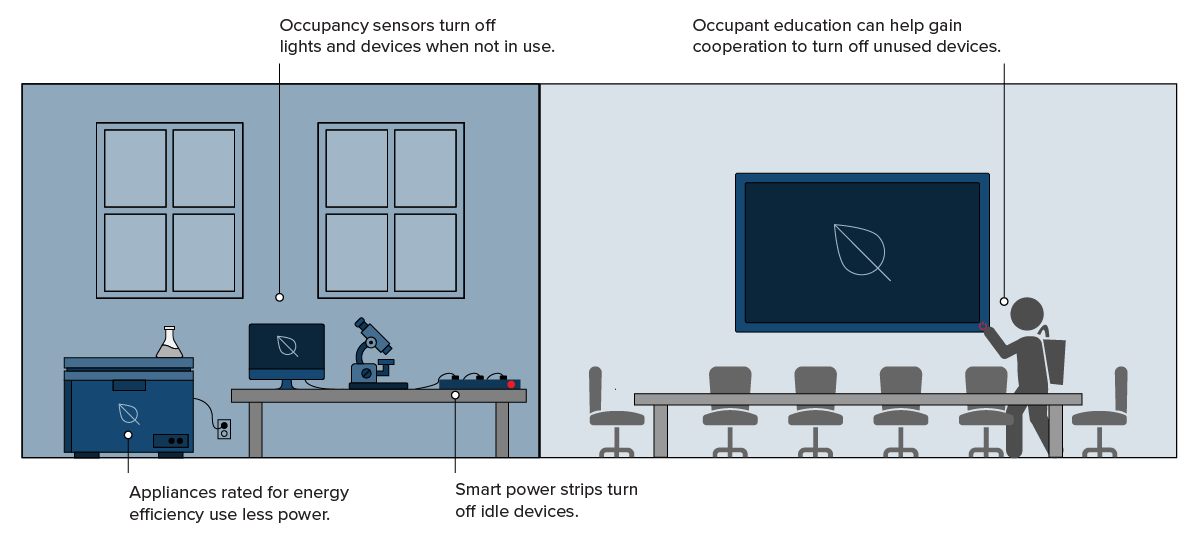
This illustration depicts strategies for reducing plug load.
- Occupancy sensors turn off lights and devices when not in use.
- Occupant education can help gain cooperation to turn off unused devices.
- Appliances rated for energy efficiency use less power.
- Smart power strips turn off idle devices.
Kitchen Electrification
Kitchen electrification is an important part of decarbonizing a higher education campus, because kitchen appliances contribute significantly to greenhouse gas emissions. Electrifying kitchens not only reduces fossil fuel use, it can provide significant operational savings and improve indoor air quality.
To ensure an efficient and cost-effective transition, consult with your kitchen staff to understand which appliances are regularly used and avoid electrifying equipment that is rarely or never utilized. Additionally, selecting ENERGY STAR®-certified appliances can help institutions access rebates, reduce energy consumption, and ensure the use of high-performance, reliable electric equipment.
Recommended steps toward kitchen electrification include:
- Replacing gas cooking equipment with high-efficiency induction stovetops and electric cooking appliances to reduce cooking energy, kitchen heat loads, and exhaust hoods load
- Upgrading to energy-efficient appliances like dishwashers, ovens, and point-of-use electric steamers
- Right-sizing kitchen hoods and HVAC systems based on reduced loads from removing the gas-fired cooking equipment, allowing you to downsize hoods and cooling—because electric cooking appliances emit less heat during the cooking process
- Replacing gas-fired hot-water heaters with heat pump options and replacing gas-fired makeup air units with heat pump or hydronic options
Planning and the Bigger Picture
Regular lighting evaluations and upgrades are essential for maintaining energy efficiency and ensuring compliance with evolving energy codes. If a building’s last lighting upgrade was more than five years ago, there is likely an opportunity to improve lighting systems, re-evaluate lighting levels, and align with updated lighting power density (LPD) code requirements.
Over time, changes to energy codes often reduce the allowable LPD, making older systems less efficient or non-compliant. Renovation cycles provide opportunities to assess lighting layouts, right-size lighting levels to minimum code allowances, and integrate advanced controls such as occupancy sensors and daylight harvesting systems.
During building upgrades, designing efficient lighting layouts can optimize energy use. Carefully positioned fixtures can minimize overlap, maximize coverage, and reduce the total number of light fixtures required. Early-phase energy modeling can simulate lighting and equipment loads, enabling the design of systems that balance energy efficiency with occupant comfort. Planning lighting and plug-load upgrades simultaneously with other major renovations minimizes costs and disruptions while enhancing overall energy performance.
Resources
- U.S. Department of Energy’s Better Buildings Solutions Center: Plug & Process Loads

- U.S. Department of Energy’s Better Buildings Solutions Center: Lighting Technology
- 2024 International Energy Conservation Code (IECC) requirements for Electrical Power and Lighting Systems (see section C405)
Connect With Us
Discover how to achieve large energy and carbon reductions across your campus.
Get In Touch